







Search Results for: Moka Pot Extraction Techniques
Moka pot coffee grind size and brewing techniques, plus recommended coffee beans
As a household pressure-extraction device, the moka pot, with its convenient operation and rich flavor, is a must-have in nearly every Italian home. This article provides a detailed analysis of the moka pot's structure and working principles, its differences from espresso, and a hands-on guide to the correct usage steps, including water volume control, grind size selection, and heating techniques. At the same time, in response to the extraction characteristics of the moka pot, Front Street Coffee recommends three suitable coffee beans: the classic blend, Brazil Queen's Estate, and Colombia Huila, respectively meeting the needs for rich crema, balanced flavor, and dark cocoa aroma. Whether you are a beginner or an advanced enthusiast, you can gain practical guidance from it. [more…]
The Complete Guide to Crema Extraction with a Moka Pot: Bean Selection, Grinding, Water Temperature, and Pressure-Boosting Techniques Explained
Many Moka pot users are often puzzled by their inability to extract ideal coffee crema; in reality, this is closely tied to bean selection, grind size, water temperature control, and the pressure of the equipment itself. Drawing on Front Street Coffee's practical experience, this article systematically breaks down the nature of crema in the Moka pot and shares specific methods for enhancing its richness. The content covers tips for choosing fresh dark-roasted beans, key operating points for fine grinding and using hot water, and application techniques for double-valve Moka pots and pressurization accessories, helping coffee enthusiasts make a rich, full-bodied cup of Moka pot coffee at home. [more…]
What coffee beans are suitable for a Moka pot? A full breakdown of five common questions and brewing techniques
The moka pot was born in Italy and is extremely popular among European households, yet it is also a device that divides opinion in the coffee world—some feel it falls far short of an espresso machine, while others appreciate its simple structure and its ability to brew rich, intense coffee. For beginners brewing at home, if you want to easily enjoy freshly ground coffee without spending too much, the moka pot is indeed a choice worth trying. As long as you pick the right beans and control the extraction details well, the result can be just as satisfying. Below are the five most common moka pot questions beginners run into, covering how it works, bean selection, boosting pressure, when to turn off the heat, and how to make Americano and latte, along with several Front Street Coffee bean recommendations suitable for the moka pot, in the hope of clearing up your confusion. [more…]
Moka Pot Coffee Brewing Techniques | Is Coffee Made with a Moka Pot Espresso? Does It Have Crema? How to Determine When to Turn Off the Heat on a Moka Pot?
For more specialty coffee knowledge, please follow: Front Street Coffee (Frontsteet Coffee) I believe many coffee enthusiasts, besides pour-over coffee, will unlock more coffee equipment at home~ Today Front Street will teach everyone how to use a moka pot. As usual, let's first [more…]
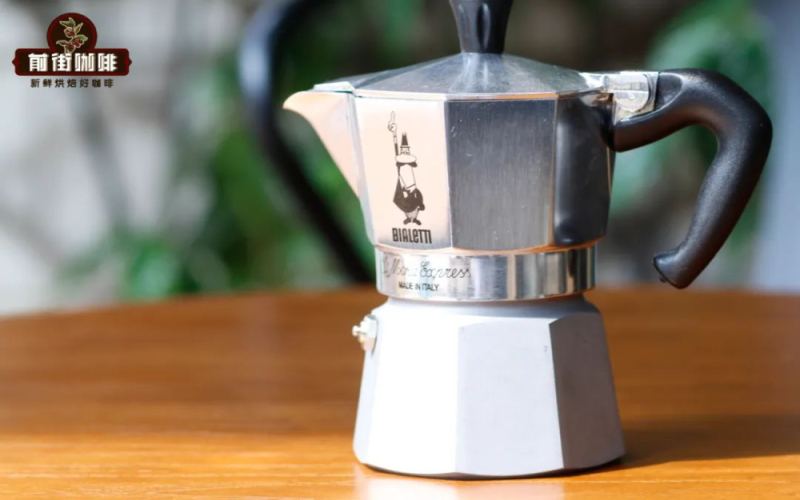
A Complete Guide to Brewing Coffee with a Moka Pot: Principles, Techniques, Pros and Cons, and Recommended Medium-Dark Roast Beans
As a convenient household coffee brewing tool, the moka pot is favored by many coffee enthusiasts thanks to its compact size and affordable price. Using the Bialetti moka pot as an example, this article systematically introduces its extraction principle, operating steps, advantages and disadvantages, as well as the types of coffee beans suitable for moka pot brewing. At the same time, the article will also explain why it is difficult to brew a true espresso with a moka pot, and share several medium-to-dark roasted espresso blends and single-origin beans from the Front Street brand that are suitable for moka pots, helping you easily make a rich and aromatic cup of coffee at home. [more…]
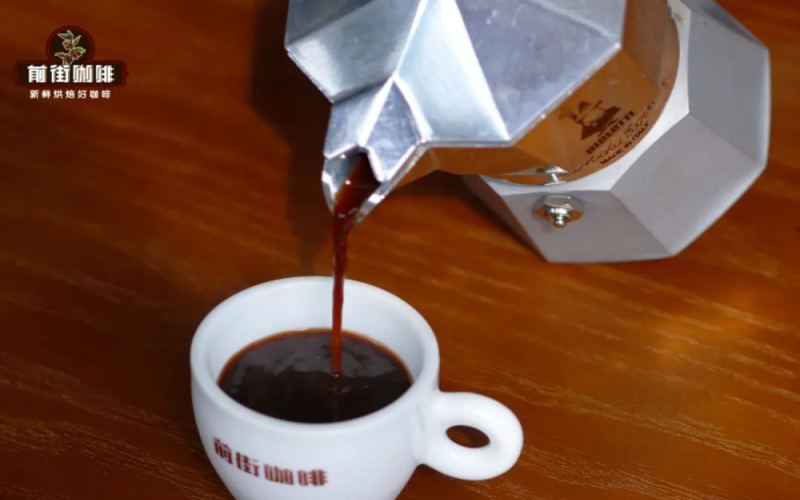
How long does it take to brew coffee with a moka pot? A detailed explanation from principles to operation of extraction time and techniques
The moka pot, with its simple structure and pressure-enhanced extraction, can make a rich, crema-laden cup of coffee at home. But how long does it actually take to brew coffee with a moka pot? There is no fixed number of seconds—the key lies in heat control and observing the flow of the brew. Starting from the Bialetti 3-cup moka pot used at Front Street Coffee stores, this article explains in detail every step: adding water to the bottom chamber, choosing the grind size, filling the filter basket, and operating the heat, while outlining an extraction rhythm of about 3 to 4 minutes. It also shares safety precautions for daily use, cleaning and maintenance methods, and why medium-dark roasted espresso blend beans are better suited to the moka pot. [more…]
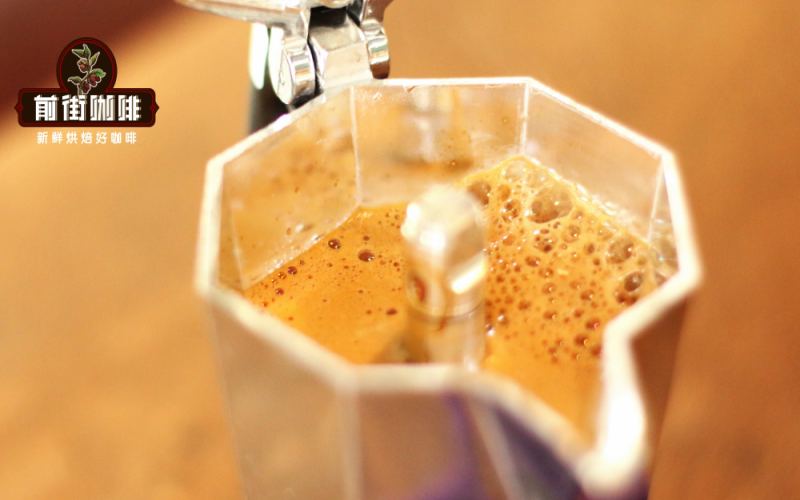
A Complete Guide to Moka Pot Brewing Techniques: Can You Make Lattes and How to Choose the Right Coffee Beans
The moka pot, relying on the principle of steam-pressurized siphon extraction, can easily brew a rich coffee concentrate whether outdoors or at home. Whether diluted with water to make an Americano or combined with milk to become a latte, it boasts a distinctive flavor. But to brew golden crema and a smooth mouthfeel, the freshness and roast level of the coffee beans are crucial. This article will break down the operating steps and grinding key points of the moka pot in detail, and share Front Street Coffee's bean recommendations, helping you avoid sharp acidity and bitterness and make a satisfying moka pot latte. [more…]
The Complete Guide to the Moka Pot: Name Origins, Usage, Structure, Principles, and Brewing Techniques
The Moka pot, as a classic home coffee device, is widely popular for its simple operation and affordable price. But do you know why it is called a "Moka pot"? What is unique about its structure? And what are the essential differences between it and an espresso machine? From the perspective of Front Street, this article will systematically introduce the Moka pot's three-part construction, its pressure-extraction principle, the differences between single-valve and dual-valve models, and provide a detailed breakdown of the complete operating process from adding water, grinding, filling the grounds, to heating and extraction. At the same time, it will objectively analyze the pros and cons of the Moka pot to help you determine whether it suits your home coffee setup. Whether you are a beginner just starting out or an enthusiast looking to refine your skills, you will find practical references here. [more…]
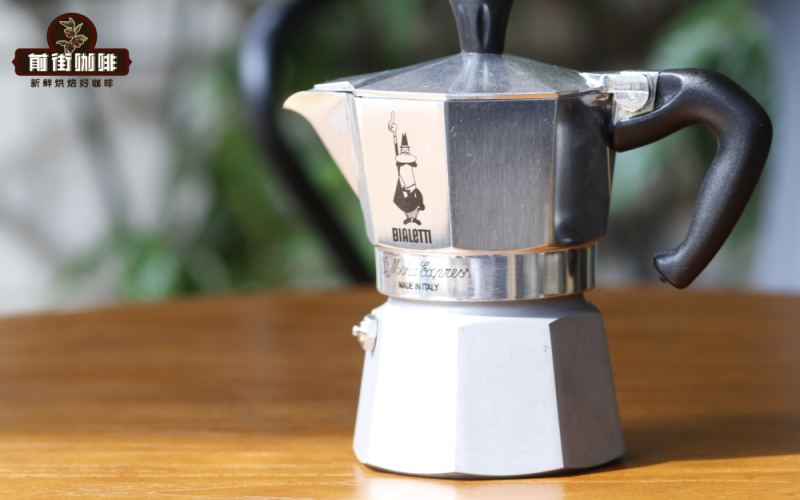
Moka Pot Buying Guide: Detailed Explanation of the Differences Between Single-Valve and Double-Valve and Extraction Techniques
In recent years, the popularity of pressurized moka pots has brought this classic coffee device, which has been around for over ninety years, back into the public eye. Many coffee enthusiasts are concerned with the same question: how exactly should one choose between a single-valve and a double-valve moka pot? At the same time, the correct way to use a moka pot has also drawn much attention. Front Street Coffee will systematically sort out the relevant knowledge about moka pots in this article, including whether the filter basket must be filled to the top, how to make a delicious cup of moka pot coffee with a smaller amount of grounds, and the specific differences between single-valve and double-valve models in terms of structure, extraction performance, and suitable users, to help everyone make a suitable choice based on their own needs. [more…]
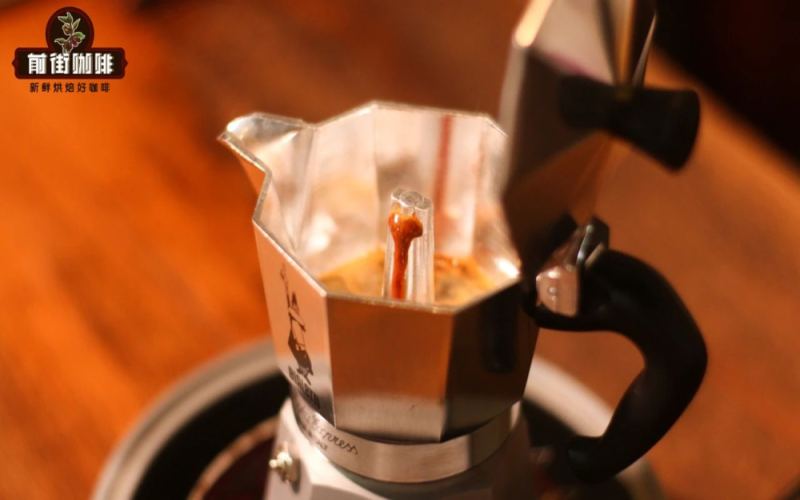
Moka Pot Crema Extraction Techniques: Choosing a Blend or Single-Origin Bean, Front Street Coffee's Full Step-by-Step Guide to Brewing a Latte
The moka pot is compact and easy to use, capable of brewing rich coffee, but many enthusiasts find at home that the crema is thin, far inferior to espresso. This article starts from the moka pot's structure and extraction principles, explains the conditions for crema formation, compares the suitable scenarios for espresso blends and single-origin beans, and recommends Front Street Coffee's classic espresso blend and the Queen's Estate Brazil single-origin beans. It then details Front Street Coffee's moka pot latte brewing steps and safety precautions, helping you consistently extract thick crema at home and make a rich, fragrant latte. [more…]
Must the coffee powder for a moka pot be filled to the top? How to choose between a double-valve and a single-valve? Key extraction techniques for crema explained
The moka pot has been around for ninety years, and with the introduction of new pressure-enhanced designs, it has returned to the public eye. Many coffee enthusiasts are asking: should the filter basket be filled to the top? How should one choose between a double-valve and a single-valve model? This time, Front Street Coffee takes a systematic look at the key points of using a moka pot. The article begins with how the amount of coffee grounds affects extraction, explaining why using only half a basket of grounds tends to make the coffee weak, sour, or even bitter, and shares a practical method for making rich, full-bodied coffee even with a "half dose" of grounds. It then compares the structural differences between single-valve and double-valve models, analyzing their respective characteristics in terms of crema performance and extraction risk, to help beginners and more advanced users find the one that suits them. [more…]
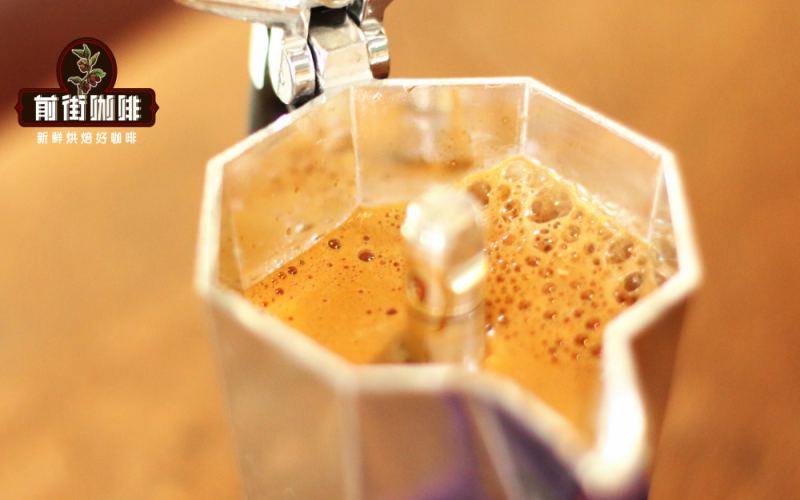
Moka Pot Brewing Techniques and Coffee-to-Water Ratio Explained: Bialetti Pot Operating Principles and Practical Tips
Today, with pour-over, siphon, and high-end espresso machines dominating the scene, the moka pot is often branded as old-fashioned and hard to master. Yet this compact home-pressure brewing tool, with its simple structure and stable pressure buildup, can still produce a bold black coffee with a thick body and a visible layer of crema. Front Street Coffee will start with the extraction principles of the moka pot, breaking down the operational details of each step—adding water, filling the grounds, heating, and mixing with milk—explaining the relationship between flow rate and grind size, water temperature, and pointing out the pitfalls prone to failure, such as water level and heat control. The article will also recommend a medium-dark roasted Front Street classic blend suitable for the moka pot, helping enthusiasts consistently recreate a moka pot latte with crema at home. [more…]
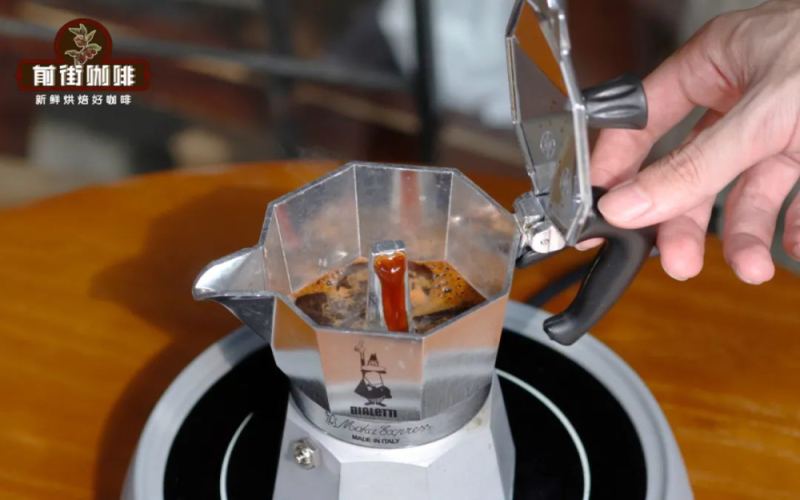
The Complete Guide to Moka Pot Bean Selection and Operation: A Detailed Explanation of Grind Size, Flavor Pairing, and Usage Techniques
The moka pot is an almost essential piece of equipment in Italian households, and nowadays more and more coffee enthusiasts in China are starting to try it out. It works by heating the lower chamber to generate steam pressure, which pushes hot water through the bed of coffee grounds to extract a rich, full-bodied brew. Compared with espresso machines, the moka pot operates at lower pressure, so the result is closer to strong coffee than to espresso. When it comes to choosing beans, medium or darker roasted blends deliver a balanced cup, while single-origin beans suit those chasing fruity or nutty flavor notes. Front Street Coffee recommends three beans for different needs: the Classic Blend, Strawberry Candy, and Queen's Estate. In use, keep the grind size between 0.3 and 0.55 millimeters, fill the lower chamber with warm water, cool the pot promptly after turning off the heat, and pay attention to daily cleaning and bean freshness—only then can you consistently produce a delicious cup of moka pot coffee. [more…]
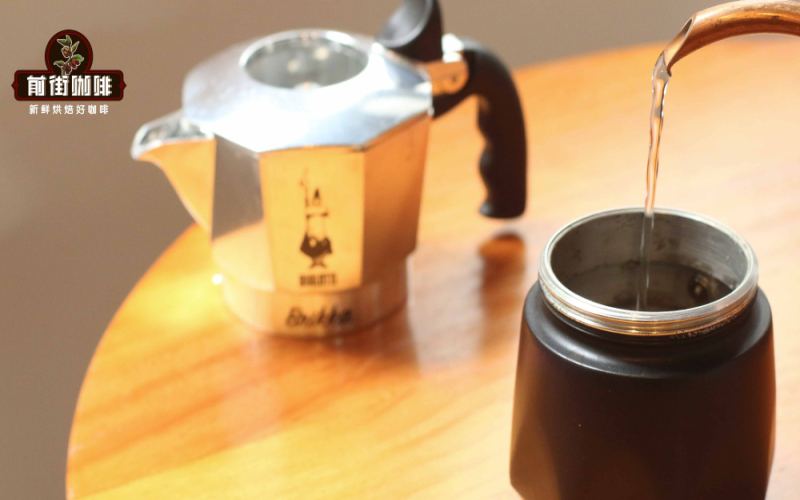
A Complete Guide to Moka Pot Brewing Techniques: From Bean Selection to Cleaning, a Practical Guide to Saying Goodbye to Overly Bitter or Sour Coffee
The Moka pot, with its unique pressurized extraction method, can produce rich and full-bodied coffee, but many enthusiasts often run into the problem of coffee that is too bitter or too sour. This article will start with the structural principles of the Moka pot, explain in detail the suitable types of coffee beans, including recommendations such as Front Street Coffee's classic espresso blend and Golden Mandheling, and then break down step by step the key stages of the brewing method, such as grind size, filling the basket, and heating. Addressing the three common problems of bitterness, sourness, and burnt flavor, the article provides specific adjustment solutions, and finally emphasizes the importance of daily cleaning and maintenance, helping you consistently extract a smooth cup of Moka pot coffee. [more…]
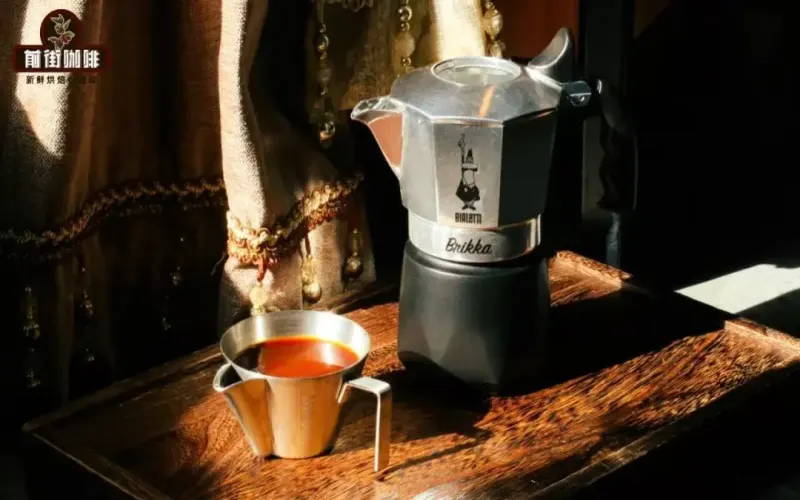
A Comprehensive Guide to Making High-Concentration Coffee with a Moka Pot: Key Techniques for Parameter Adjustment and Rich Crema
Many coffee enthusiasts find that coffee brewed with a moka pot, though stronger than pour-over, still falls far short of espresso in richness and crema. In fact, as long as you master the correct extraction parameters, a moka pot can also produce high-concentration coffee approaching espresso strength. This article will explain in detail how to enhance the concentration and crema of moka pot coffee by limiting liquid weight, adjusting the coffee-to-water ratio, and selecting suitable coffee beans, and will share a hands-on example and specific steps for making Front Street Coffee's classic espresso blend, helping you easily brew a cup of high-concentration moka pot coffee with rich aroma and abundant crema. [more…]
The Complete Guide to Extracting Rich Crema with a Moka Pot: Principles, Bean Selection, and Operational Techniques Explained in Detail
Many moka pot users are puzzled by why the coffee they brew lacks that alluring golden crema, while the pictures shown by merchants always feature thick foam. In fact, the essence of moka pot crema is the same as the Crema of espresso—both are foam clusters formed by carbon dioxide wrapped in emulsified oils, except that the pressure a moka pot can provide is far lower than that of an espresso machine, resulting in coarser and thinner foam. Starting from the common questions in Front Street Coffee's back-office inquiries, this article first analyzes the essence and formation conditions of crema, then systematically shares practical methods to enhance the richness of moka pot crema, including coffee bean selection, grind size adjustment, water temperature control, and the use of a pressure valve, and recommends several Front Street Coffee brand coffee beans suitable for moka pots, helping you easily extract a satisfyingly rich crema. [more…]
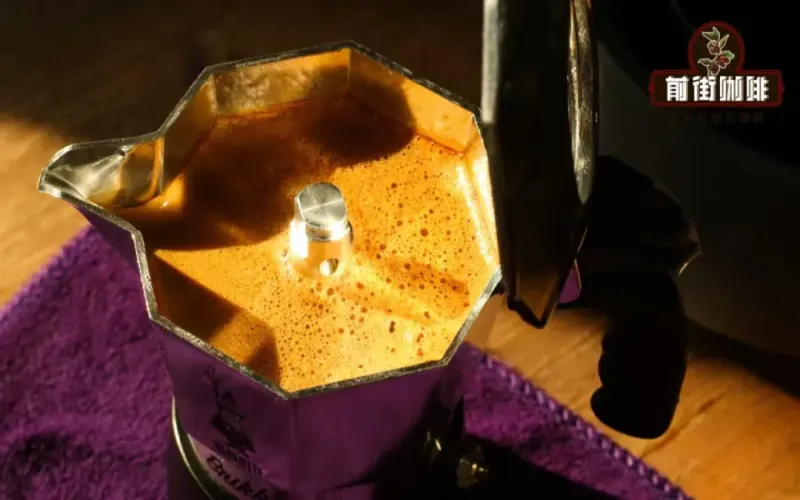
Moka Pot Espresso Enhancement Techniques: A Complete Operational Guide to Making Latte with Coffee-to-Water Ratio and Extraction Efficiency
The moka pot relies on pressure extraction to produce black coffee with a concentration close to espresso, so it is often seen as a home alternative to an espresso machine, used to recreate Americano, latte, mocha, and other specialty coffee drinks. However, the moka pot's pressure is limited, and making a latte directly tends to taste overly watery—the key is to increase the concentration of the coffee liquid itself. This article focuses on two approaches: first, tightening the coffee-to-water ratio to reduce the amount of hot water used, thereby raising the proportion of soluble solids; second, improving extraction efficiency through grind size, coffee dose, heat level, and extraction time. The article also offers coffee bean selection advice, and using a dark-roasted Golden Mandheling as an example, with a dose of 20g, a coffee-to-water ratio of 1:4, and 180ml of hot milk, it provides a complete demonstration of how to make a moka pot latte close to a genuine espresso latte, along with its flavor profile. [more…]

Moka Pot Brewing Tutorial | What are the finer points of moka pot coffee dosing techniques? What causes a moka pot to produce no coffee, or coffee to spurt out violently?
When brewing coffee with a moka pot, many friends don't know what grind size is suitable. They're also unsure how to fill the coffee grounds properly, and whether tamping is needed. If you have these questions too, you'll find the answers below. First, what grind size should be used for moka pot coffee? The coffee particle size needed for a moka pot [more…]
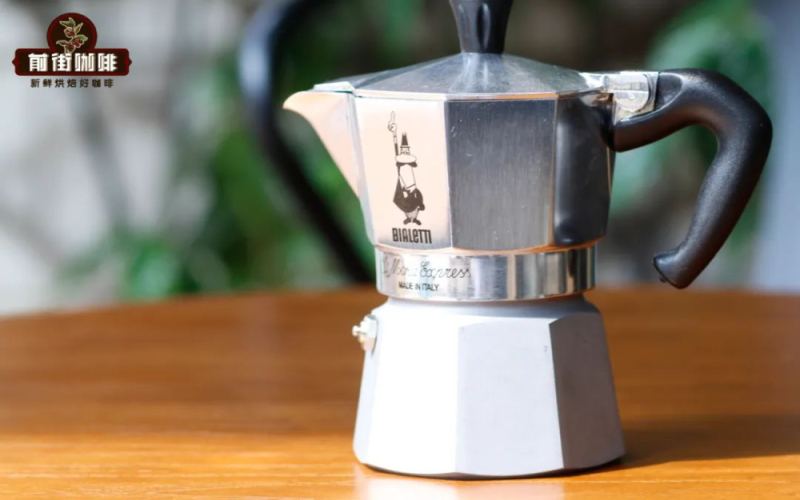
Moka Pot Bean Selection Guide: How to Choose Between Single-Origin and Blends, A Full Analysis of Espresso Brewing Techniques
As an essential coffee device in Italian households, the moka pot has been easily extracting rich coffee with 1-2 bar of pressure since its invention by Bialetti in 1933. But many coffee lovers are often confused: should a moka pot use single-origin or blended beans? How can common operating mistakes be avoided? This article will systematically analyze the moka pot's structure and principles, key points for use, and, based on Front Street Coffee's practical experience, recommend suitable coffee bean types and brewing plans to help you easily make a cup of full-bodied, solid espresso. [more…]
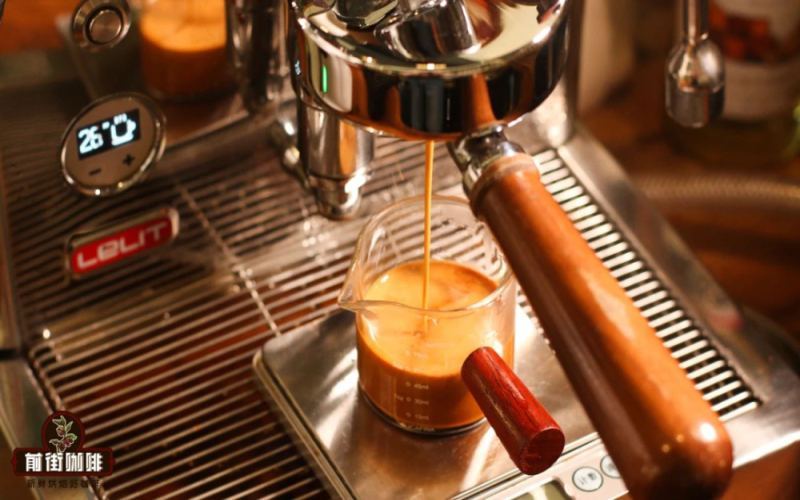
The Complete Guide to Moka Pots: Dual-Valve Pressure Extraction Techniques and SOE Single-Origin Espresso Bean Recommendations
As a time-honored espresso-making device, the moka pot is known in Europe as an Espresso Pot, and its pressure-extraction method shares a similar principle with espresso machines. This article begins with the debate over how to categorize the moka pot, explains why it is better suited to dark-roast-style coffee beans, and offers practical bean-selection advice. Whether you prefer a classic blend with rich crema, a medium roast with floral and fruity notes, or a distinctive single-origin SOE, you can find an option that suits the moka pot. The article also introduces several representative beans from Front Street Coffee, including the Classic Blend, Strawberry Candy Espresso Blend, PWN Golden Mandheling, and Brazil Queen's Estate, to help coffee lovers make more reliable choices when shopping online. [more…]